
Quality control · Guangzhou
Inspection evidence: what actually happens before your goods ship
Most factories send you a photo of a folded garment and call it QC. This page shows the checks themselves — the tape, the light box, the needle detector, and the defects we send back to be reworked instead of packing them.
Why this page exists
The most expensive mistake in garment sourcing is not a bad sample — it is a good sample followed by a bulk order that quietly differs from it. Thinner fabric, a skipped lining, a colour that shifts half a shade, loose threads that were never trimmed. None of those show up in a photo taken at arm's length.
So the checks below are done on every piece, not on a sample of pieces. That is what makes a 50-piece order viable: if we only sampled, small runs would be where defects survive.
1. Measurement, against the spec sheet
Every garment is laid flat and measured at the points written in the spec — chest, waist, hip, length, sleeve, neck drop. Tolerance is ±1 cm on the agreed points; anything outside that is marked and returned to the line.
Measurements are written down per size, not remembered. When a size runs small, the table shows it on the first five pieces rather than on the five hundredth.
2. Light box check
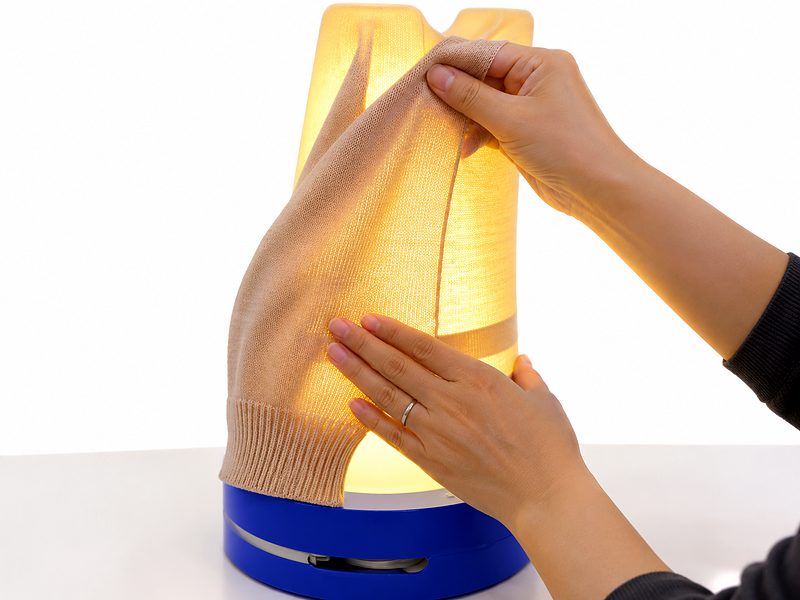
Fabric defects hide in plain sight under normal light. Against a light box, thin spots, dropped stitches, slubs and pinholes become obvious in seconds. This is the check that saves you from a customer holding your dress up to a window.
3. Seams, by hand
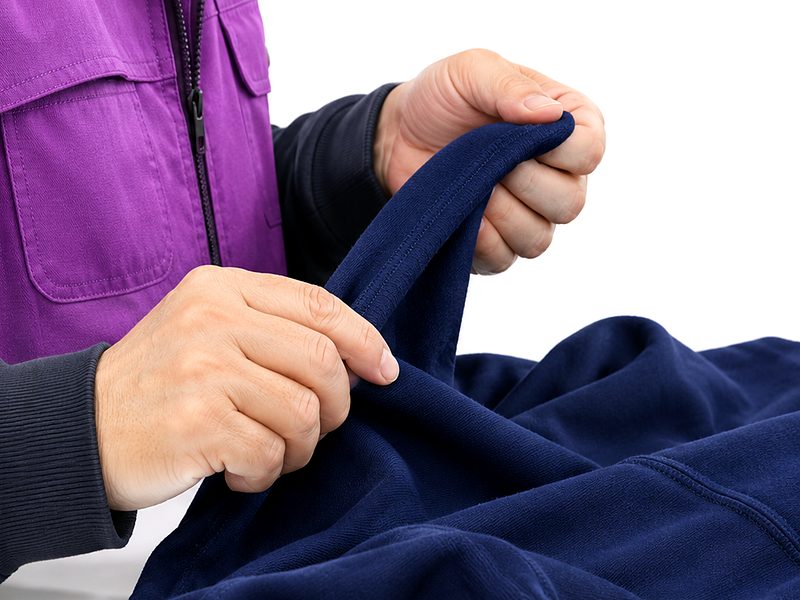
We pull the side seams and the shoulder seams, check the seam allowance is trimmed and finished, and look for skipped stitches, puckering and twisted side seams. On knits, we check recovery: stretch it, release it, see whether it comes back.
4. Needle detection
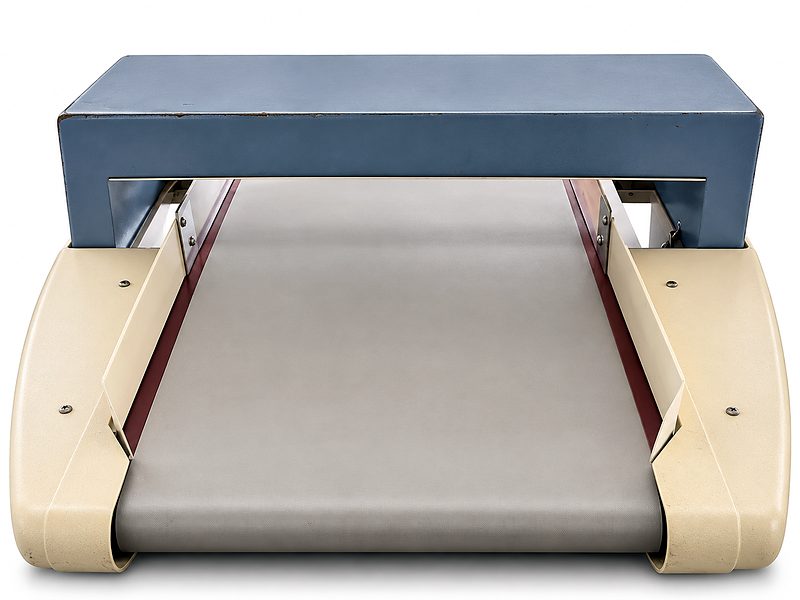
Broken needles and pins end up in garments more often than factories admit. Every piece goes through the detector; anything that triggers is opened, located and re-passed. For Japanese and European buyers this is non-negotiable, and it is the check most small workshops skip.
5. What we reject
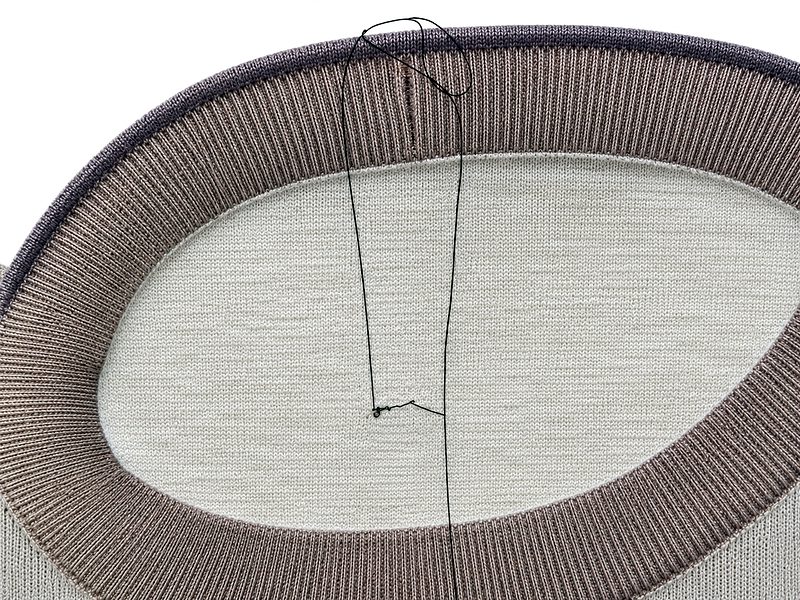
Common rejects: thread tails, uneven topstitching, a collar that sits 3 mm off centre, a zip that catches, a hem that waves, a colour lot that does not match the approved lab dip under D65. Each one is photographed, listed, and sent back to the line. The photo and the note go into your report so you can see what was caught.
6. Packing and carton check
| Check | Standard |
|---|---|
| Folding and polybag | Agreed fold method, size sticker on the bag |
| Ratio per carton | As ordered — sizes and colours counted, not estimated |
| Carton strength and tape | Double-taped, export grade, weight written on the side |
| Shipping marks | Your marks or ours, checked against the packing list |
What you receive
- A measurement table per size, with the actual numbers, not "pass"
- A defect list with photos and what was done about each one
- Colour confirmation against the approved lab dip under D65
- A packing list that matches the cartons
If a lot cannot be corrected, it does not ship. You get the report first and we discuss a remake — in Guangzhou, where redoing it is still affordable.
What you will not see here
You will not see a certificate we do not hold, or an AQL number we did not measure. If your market needs third-party testing (REACH, flammability, fibre labelling), that is arranged separately with a lab and the report comes from them, not from us.
Questions we get asked
Is this AQL sampling or 100% inspection?
100% for measurement, light box, seam check and needle detection. AQL sampling is what most factories mean by "inspection" — it lets a known percentage of defects through. On 50-piece runs a sample is meaningless, which is one reason we inspect every piece.
Who does the inspection, the factory or you?
Us, in our own inspection room, after the goods leave the line and before they are packed. That is the point of inspecting in Guangzhou rather than at your warehouse: rework is still cheap here.
Can I see the report before paying the balance?
Yes. The report goes to you with photos and the defect list before the 70% balance is released. If the lot fails and cannot be corrected, we discuss a remake instead of shipping.
Do you do needle detection on knits and wovens?
Every piece, both. It is standard on this floor, not an upgrade. If your market requires a specific metal-detection standard, tell us at quoting stage so it goes into the order terms.
What if I want a third-party inspection?
Welcome, and we will schedule the line so an inspector can attend. SGS, BV, Intertek and QIMA all work in Guangzhou. We do not choose the inspector for you.
Can I visit the inspection room?
Yes — it is in Baiyun, Guangzhou, and visits are part of how we work. Tell us a week ahead so the production schedule has something for you to see.
Request a quote
Four fields is enough to get a price.
Tell us what you want to make and how many pieces. You get FOB price, MOQ and a realistic lead time — answered by Belinda within one working day.
- 50 pieces per style; no minimum on the first conversation
- A photo, a sample or a full tech pack — all fine
- Your details stay with us — no mailing list
Keep reading